
10 Essential Items Every Beginner Hiker Should Have
Every beginner hiker should priorities 10 essential items for safety, survival, and preparedness. These items will help you manage unexpected situations and adapt to changing trail conditions. Having essentials will ensure you can handle unforeseen scenarios such as injuries, getting lost, or being caught in bad weather safely while staying comfortable and finding your way back.
Whether you are going on an easy day hike on a manageable trail or challenging yourself with a demanding summit hike to reach the peak of a mountain, essential items are important to help you stay oriented and comfortable. Especially if a hike takes longer than planned or conditions change unexpectedly, these 10 essential items will make sure you are ready to overcome difficulties.
Navigation Tools
Always carry both a physical map and a compass, and know how to use them, as electronic devices can lose signal or battery power. A physical, waterproof map of the area is crucial. A GPS device or smartphone with a downloaded trail map can be a helpful supplement, but not a replacement for traditional navigation tools. A power bank is essential to keep your phone charged.
First Aid
A basic first-aid kit is a non-negotiable item for treating minor injuries or illnesses while hiking out on a trail. Start with a pre-packaged kit and customise it with any personal medications, blister treatment, and insect repellent. A properly equipped first-aid kit can provide you with immediate care for more severe injuries or illnesses until professional help arrives.
Sun Protection
Protect yourself from the sun's harmful UV rays, which are stronger at higher elevations if you decide to do a summit hike. Use a high-SPF, water-resistant sunscreen and lip balm with SPF to prevent sunburns and reduce the risk of skin cancer. Safeguard your eyes and face from the heat of the sun with polarised sunglasses and a wide-brimmed hat or cap.
Fire Starter
Carry a reliable lighter or waterproof matches with you all the time. Pack a fire starter or small fire plugs to help ignite wet wood. The ability to start a fire can be vital for warmth as temperatures drop on the trail or up a mountain, boiling water and cooking food, and sending an emergency signal in cases of accidents and injuries.
Repair Kit and Tools
Bring a multi-tool and/or a knife with you because can they handle a variety of tasks, from gear repair to food preparation to protection from wildlife. A simple pocket knife is sufficient for beginners while a multi-tool offers more versatility. A small amount of duct tape or other repair supplies can fix torn gear or broken poles in a pinch.
Food
Pack more food than you think you need, especially easy-to-eat, high-energy snacks like trail mix, nuts, or energy bars. Sudden changes in weather conditions can leave you out on the trail for longer than you expected. Food provides energy to fuel physical activity, prevents fatigue and muscle cramps, and aids in recovery in cases of illness or injury.
Hydration
Staying hydrated is critical. Plan to carry at least 1 liter of water for every two hours of hiking. Use a water bottle or a hands-free hydration reservoir system. For longer hikes or as a backup, bring a water filter/purifier or purification tablets. Good hydration helps regulate body temperature, lubricates joints, flushes out waste, and maintains physical and mental performance.
Extra Clothing
Weather in natural environments can change quickly, so layers are key. Moisture-wicking layers are important so avoid cotton and opt for synthetic or wool base layers that dry quickly and help regulate body temperature. Pack a lightweight fleece or insulated jacket for warmth. A waterproof rain jacket with a hood is also essential.
Emergency Shelter
Even on a day hike, an emergency shelter is a safety net in case you are stranded overnight. A lightweight emergency space blanket or bivy sack can provide crucial protection from the elements. Emergency shelter is vital because it can protect you from rain, wind, sun, and even insects and help you stay warm, dry, and safe.
Right Footwear and Backpack
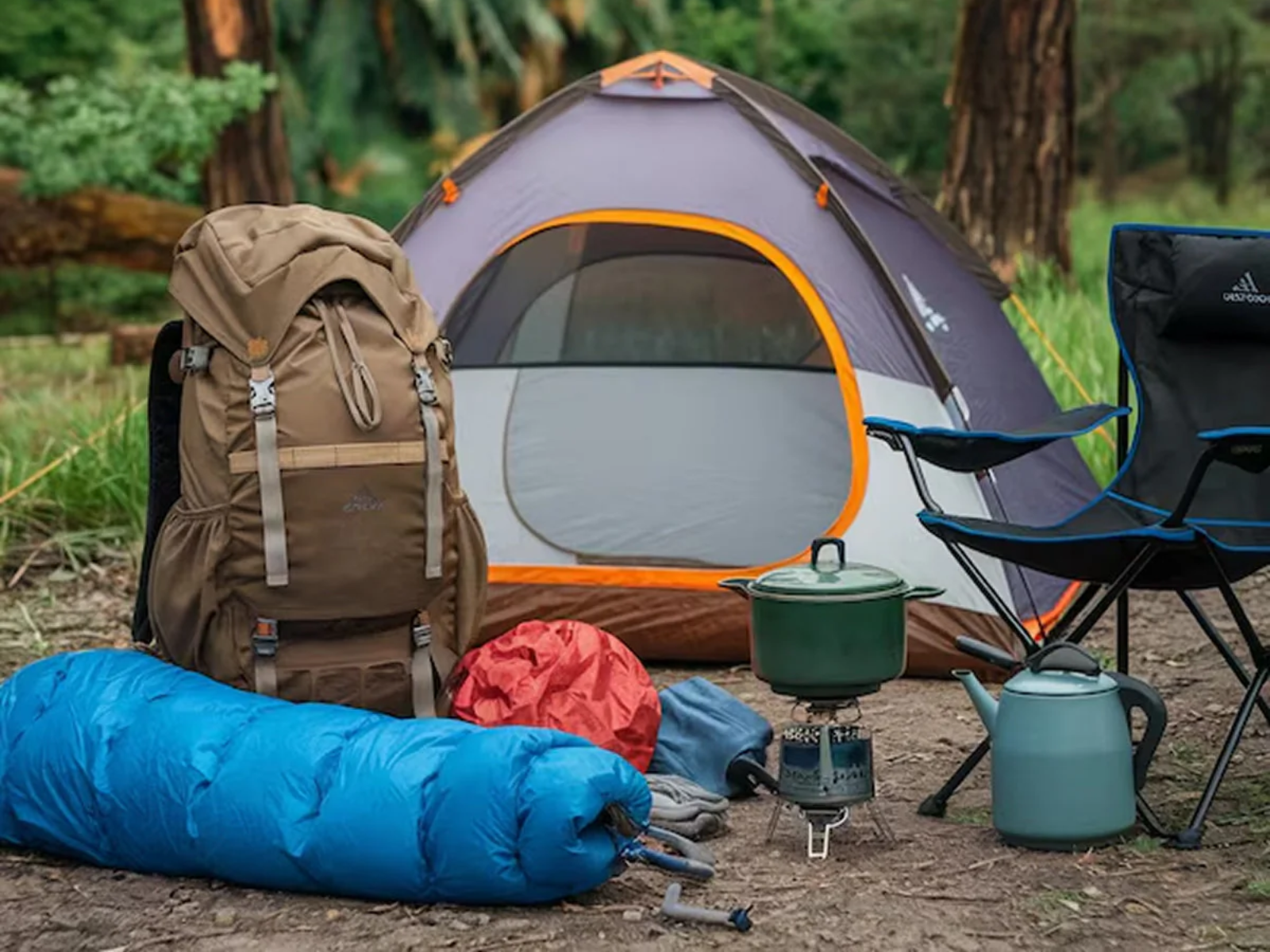
Choose sturdy, broken-in hiking boots or trail shoes that offer great support and stability to prevent injuries like sprains and blisters, protection from rough terrain, and delivers traction on varied surfaces. A comfortable backpack with a chest and hip strap will distribute weight effectively and keep all your essentials organised and accessible.
So, if you are a beginner looking to try hiking, make sure to pack and bring all these 10 essentials with you. Even quick day hikes can turn sideways. That is why it is important to be ready for any situation. Here at Pathfinder Campers, you can get hiking essentials that beginners and even seasoned hikers take on all their outdoor adventures. See all our hiking gear now.